How to Choose the Right Lens: Prime vs. Zoom Comparison

- 1. What Are Prime and Zoom Lenses?
- 2. Key Differences at a Glance
- 3. When to Choose a Prime Lens
- Best For:
- 4. When to Choose a Zoom Lens
- Best For:
- 5. Prime vs. Zoom: Image Quality and Depth of Field
- 6. Comparing 10 Top Lenses (5 Prime + 5 Zoom)
- 7. Real-World Reviews
- Prime Lens Reviews
- Zoom Lens Reviews
- 8. Comparing Size, Weight, and Portability
- 9. Performance in Different Photography Genres
- 10. Aperture and Depth of Field in Action
- 11. Build Quality and Durability
- 12. Autofocus and Image Stabilization
- 13. Lens Value and Resale
- 14. Image Quality Comparison Table
- 15. Price-to-Performance Ratio
- 16. Video and Filmmaking Use
- 17. Real User Advice
- 18. How to Choose Based on Your Style
- 19. Expert Recommendations
- 20. Final Thoughts
Every photographer, whether beginner or professional, faces one of the most common decisions in photography: Should I buy a prime lens or a zoom lens?
Both have unique strengths that dramatically affect your shooting style, image quality, and creative control. Choosing between them isn't just about focal length-it's about how you see and capture the world.
In this guide, we'll explore the differences, benefits, and drawbacks of both lens types, compare 10 popular models, and share expert advice on which is best for different photography needs-from portraits to landscapes to travel.
1. What Are Prime and Zoom Lenses?
| Lens Type | Definition | Focal Length Range | Example |
|---|---|---|---|
| Prime Lens | Fixed focal length (does not zoom) | 35mm, 50mm, 85mm, etc. | Canon RF 50mm f/1.8 |
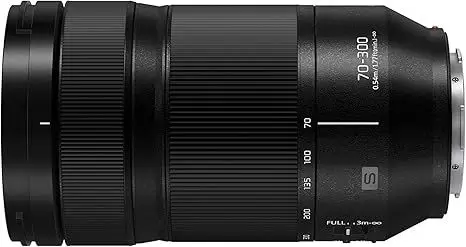
| Zoom Lens | Variable focal length | 24-70mm, 70-200mm, etc. | Sony 24-70mm f/2.8 GM II |
Prime lenses are simpler in design, offering superior image quality and wider apertures. Zoom lenses are more versatile, letting you adjust framing without moving closer or farther from your subject.
2. Key Differences at a Glance
| Feature | Prime Lens | Zoom Lens |
|---|---|---|
| Focal Length | Fixed | Adjustable |
| Aperture | Typically wider (e.g., f/1.4-f/2.8) | Usually narrower (e.g., f/2.8-f/5.6) |
| Image Quality | Sharper, less distortion | Slightly less sharp, variable distortion |
| Size & Weight | Compact and light | Larger and heavier |
| Versatility | Limited to one focal length | Covers multiple focal lengths |
| Price Range | $100-$1,500 | $300-$2,500+ |
3. When to Choose a Prime Lens
Prime lenses are the favorite choice for photographers seeking maximum image quality, low-light performance, and beautiful background blur (bokeh).
Best For:
-
Portraits
-
Street and travel photography
-
Low-light shooting
-
Artistic photography
Advantages:
-
Sharper images with higher contrast.
-
Wider apertures (f/1.2-f/1.8) ideal for blurred backgrounds.
-
Encourages creativity through movement and framing.
Disadvantages:
-
No zoom flexibility-requires you to "zoom with your feet."
-
Carrying multiple primes for versatility can be costly.
4. When to Choose a Zoom Lens
Zoom lenses are perfect for those who need flexibility and convenience, especially when changing lenses isn't practical-like travel, sports, or events.
Best For:
-
Travel and landscapes
-
Wildlife and sports
-
Events and weddings
-
General photography
Advantages:
-
Covers a wide range of focal lengths.
-
Reduces the need to carry multiple lenses.
-
Ideal for unpredictable shooting situations.
Disadvantages:
-
Typically heavier.
-
Narrower maximum aperture.
-
May have minor image softness or distortion at extremes.
5. Prime vs. Zoom: Image Quality and Depth of Field
Prime lenses usually outperform zooms in sharpness and light transmission. For example, a 50mm f/1.4 prime gathers more light and produces shallower depth of field than a 24-70mm f/4 zoom.
| Aperture | Prime Lens (50mm f/1.4) | Zoom Lens (24-70mm f/4) |
|---|---|---|
| Light Intake | Excellent | Moderate |
| Background Blur | Strong, creamy bokeh | Subtle |
| Low-Light Performance | Outstanding | Fair |
If your style focuses on portraits, bokeh, or artistic shots, primes win easily. But for travel or dynamic situations, zooms often make more sense.
6. Comparing 10 Top Lenses (5 Prime + 5 Zoom)
| Model | Type | Focal Length | Aperture | Price (USD) | Pros | Cons | Rating |
|---|---|---|---|---|---|---|---|
| Canon RF 50mm f/1.8 STM | Prime | 50mm | f/1.8 | $129 | Sharp, affordable | Plastic build | ★★★★★ |
| Sony FE 35mm f/1.4 GM | Prime | 35mm | f/1.4 | $1,398 | Superb image quality | Expensive | ★★★★★ |
| Nikon Z 85mm f/1.8 S | Prime | 85mm | f/1.8 | $796 | Great portraits, solid build | Slightly heavy | ★★★★☆ |
| Fujifilm XF 23mm f/1.4 R LM WR | Prime | 23mm | f/1.4 | $899 | Fast AF, weather sealed | Pricey for APS-C | ★★★★☆ |
| Sigma 56mm f/1.4 DC DN | Prime | 56mm | f/1.4 | $429 | Excellent bokeh | No stabilization | ★★★★★ |
| Canon RF 24-70mm f/2.8L IS USM | Zoom | 24-70mm | f/2.8 | $2,099 | Pro-grade sharpness | Expensive, heavy | ★★★★★ |
| Sony 24-105mm f/4 G OSS | Zoom | 24-105mm | f/4 | $1,198 | Versatile, stabilized | f/4 not ideal for low light | ★★★★☆ |
| Nikon Z 24-120mm f/4 S | Zoom | 24-120mm | f/4 | $1,099 | Superb optics | Not ultra-wide | ★★★★☆ |
| Tamron 28-75mm f/2.8 G2 (Sony E) | Zoom | 28-75mm | f/2.8 | $799 | Lightweight, excellent value | Minor edge softness | ★★★★★ |
| Canon RF 70-200mm f/2.8L IS USM | Zoom | 70-200mm | f/2.8 | $2,799 | Stunning telephoto, fast focus | Large and costly | ★★★★★ |
7. Real-World Reviews
Prime Lens Reviews
-
"The Canon 50mm f/1.8 is my favorite lens for portraits-it's sharp, cheap, and performs beautifully in low light."
-
"Sony 35mm GM delivers cinematic quality; the sharpness and color rendering are unreal."
-
"Sigma 56mm f/1.4 is small but powerful-bokeh is buttery smooth."
Zoom Lens Reviews
-
"The Canon 24-70mm f/2.8L is my all-in-one solution for weddings. Crystal clear at every focal length."
-
"Tamron 28-75mm G2 is unbeatable for the price-sharp, fast, and lightweight."
-
"Sony 24-105mm is perfect for travel-I rarely need to change lenses."
8. Comparing Size, Weight, and Portability
| Feature | Prime Lens | Zoom Lens |
|---|---|---|
| Weight | 150-400g typical | 700-1500g typical |
| Size | Compact | Bulky |
| Ideal For | Everyday carry | All-purpose and travel |
| Ease of Use | Simple | Requires learning focal range |
For minimalists or travelers, a 35mm or 50mm prime is perfect. If you shoot events or need quick reframing, a zoom lens makes more sense.
9. Performance in Different Photography Genres
| Genre | Recommended Lens Type | Example |
|---|---|---|
| Portraits | Prime | 85mm f/1.8, 50mm f/1.4 |
| Landscapes | Zoom | 16-35mm f/4, 24-70mm f/2.8 |
| Travel | Zoom | 24-105mm f/4 |
| Street Photography | Prime | 35mm f/1.8 |
| Sports & Wildlife | Zoom | 70-200mm f/2.8 |
| Low-Light / Night | Prime | 50mm f/1.4 |
10. Aperture and Depth of Field in Action
Wider apertures (smaller f-numbers) create shallow depth of field, ideal for separating subjects from the background.
| Aperture | Background Blur | Ideal Lens Type |
|---|---|---|
| f/1.4 | Very strong bokeh | Prime |
| f/2.8 | Balanced blur | Zoom or Prime |
| f/5.6+ | Deep focus | Zoom |
A prime 50mm f/1.4 isolates subjects beautifully, while a zoom 24-105mm f/4 keeps more of the frame sharp-great for storytelling.
11. Build Quality and Durability
-
Prime lenses have fewer moving parts → generally more durable.
-
Zoom lenses include complex mechanics → more prone to dust and wear.
However, modern premium zooms (Canon L, Sony G Master) offer weather sealing and robust construction, rivaling many primes.
12. Autofocus and Image Stabilization
Zoom lenses often integrate optical stabilization (OSS, IS, VR)-a huge advantage for handheld video and telephoto work.
Primes typically rely on wide apertures to maintain low shutter speeds but may lack stabilization.
If you shoot handheld in low light, a stabilized zoom is safer.
13. Lens Value and Resale
Primes hold value due to timeless optical simplicity.
Zooms, while more expensive upfront, can replace several primes, offering better overall value per focal length.
Example: A $2,000 24-70mm f/2.8 covers three prime lenses (24mm, 50mm, 70mm) in one.
14. Image Quality Comparison Table
| Criteria | Prime Lens | Zoom Lens |
|---|---|---|
| Sharpness | ★★★★★ | ★★★★☆ |
| Distortion Control | ★★★★★ | ★★★★☆ |
| Color & Contrast | ★★★★★ | ★★★★☆ |
| Flare Resistance | ★★★★☆ | ★★★★☆ |
| Versatility | ★★☆☆☆ | ★★★★★ |
Primes are optical purists' dream. Zooms are real-world workhorses.
15. Price-to-Performance Ratio
| Price Range | Prime Example | Zoom Example | Value Comment |
|---|---|---|---|
| Budget ($100-$400) | Canon 50mm f/1.8 | Tamron 18-200mm | Great starter choices |
| Mid-Range ($500-$1000) | Sigma 56mm f/1.4 | Tamron 28-75mm G2 | Excellent all-rounders |
| High-End ($1500-$3000) | Sony 35mm GM | Canon 24-70mm L | Professional quality |
16. Video and Filmmaking Use
For video creators:
-
Zooms provide flexibility for framing mid-shoot.
-
Primes deliver more cinematic background blur and superior low-light performance.
Most professionals pair both: a 24-70mm zoom for dynamic scenes and a 50mm prime for interviews or depth shots.
17. Real User Advice
-
"Switching to a prime improved my composition-I move more and think creatively."
-
"My 24-105mm saved my back while traveling. One lens, zero stress."
-
"Zooms for work, primes for art. That's my philosophy."
18. How to Choose Based on Your Style
| Photographer Type | Recommended Lens |
|---|---|
| Beginner | 50mm f/1.8 (prime) |
| Travel Photographer | 24-105mm f/4 (zoom) |
| Portrait Specialist | 85mm f/1.8 (prime) |
| Event Shooter | 24-70mm f/2.8 (zoom) |
| Videographer | 35mm f/1.4 + 24-70mm f/2.8 combo |
19. Expert Recommendations
If you value image quality and creativity:
→ Choose a prime lens like the Sony 35mm f/1.4 or Canon 50mm f/1.8.
If you prioritize versatility and convenience:
→ Choose a zoom lens like the Tamron 28-75mm f/2.8 or Canon 24-70mm f/2.8L.
Many professionals own both types for maximum flexibility.
20. Final Thoughts
Both lens types have their place in every photographer's toolkit.
-
Prime lenses are about artistry, simplicity, and stunning clarity.
-
Zoom lenses are about adaptability and getting the shot in any situation.
Your decision should reflect how you shoot-not just what you shoot. If you're passionate about mastering light, depth, and subject isolation, go prime. If you want an all-rounder ready for anything, a quality zoom will serve you for years.
The best lens is the one that matches your vision.