Understanding Lens Types and Their Uses

- What is a Camera Lens?
- Key Lens Terminology:
- Types of Camera Lenses
- 1. Prime Lenses
- 2. Zoom Lenses
- Common Focal Length Categories and Their Uses
- Wide-Angle Lenses (Below 35mm)
- Standard Lenses (35mm to 70mm)
- Telephoto Lenses (Above 70mm)
- Specialty Lenses
- Macro Lenses
- Fisheye Lenses
- Tilt-Shift Lenses
- Aperture and Its Impact on Photography
- Image Stabilization: Why It Matters
- Choosing the Right Lens for Your Camera
- Recommended Lenses by Photography Genre
- Lens Care and Maintenance Tips
- Understanding Lens Compatibility and Mounts
- FAQs About Camera Lenses
- Conclusion: Mastering Your Photography Through Lens Choices
Photography is as much about the lens as it is about the camera. The lens determines how your subject is captured, influencing perspective, sharpness, depth of field, and overall image quality. Whether you're a beginner or a seasoned photographer, understanding different lens types and their uses is essential to unlock your creative potential.
In this article, we will explore the most common types of camera lenses, their unique characteristics, and practical applications. Whether you shoot landscapes, portraits, wildlife, or macro, this guide will help you select the right lens for every photographic situation.
What is a Camera Lens?
A camera lens is an optical device made of glass elements that focuses light onto the camera sensor or film. It controls focal length, aperture, and image sharpness, shaping the final photograph.
Key Lens Terminology:
-
Focal Length: The distance between the lens and image sensor when focused, measured in millimeters (mm). It affects field of view and magnification.
-
Aperture: The opening inside the lens that controls light entry, expressed as f-numbers (e.g., f/2.8). A wider aperture means more light and shallower depth of field.
-
Image Stabilization (IS/VR): Technology to reduce blur from hand shake.
-
Prime vs Zoom: Prime lenses have a fixed focal length, zoom lenses offer variable focal lengths.
Types of Camera Lenses
Understanding the different lens types helps photographers pick the best one for their style and subjects.
1. Prime Lenses
Prime lenses have a fixed focal length (e.g., 50mm) and often offer superior optical quality, wider apertures, and lighter weight.
Common uses: Portraits, street photography, low light conditions.
Advantages:
-
Sharper images due to fewer lens elements.
-
Larger maximum apertures (e.g., f/1.4, f/1.8) for better low-light and bokeh.
-
Lightweight and compact design.
Disadvantages:
-
No zoom flexibility; requires physical movement to change framing.
2. Zoom Lenses
Zoom lenses cover a range of focal lengths (e.g., 24-70mm), providing versatility without changing lenses.
Common uses: Event photography, travel, general-purpose.
Advantages:
-
Flexibility to adjust composition quickly.
-
Reduces need to carry multiple lenses.
Disadvantages:
-
Slightly lower optical quality compared to primes at some focal lengths.
-
Heavier and bulkier.
Common Focal Length Categories and Their Uses
Wide-Angle Lenses (Below 35mm)
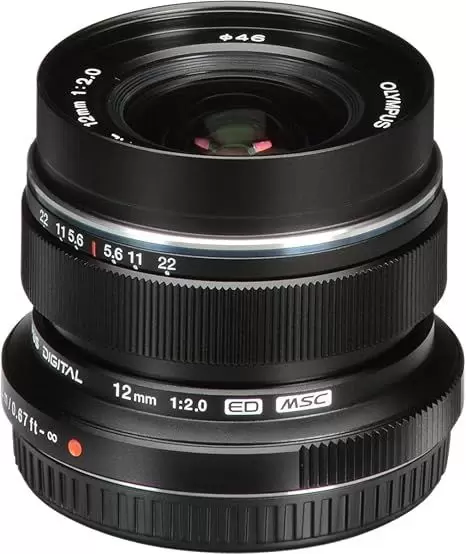
Wide-angle lenses offer a broader field of view, capturing more of the scene.
Uses:
-
Landscape photography to emphasize expansive scenes.
-
Architecture for fitting large structures into the frame.
-
Environmental portraits.
Characteristics:
-
More pronounced perspective distortion, especially near edges.
-
Larger depth of field.
Standard Lenses (35mm to 70mm)
These lenses approximate human eye perspective, producing natural-looking images.
Uses:
-
Everyday photography.
-
Street photography.
-
Portraits with less distortion.
Popular focal lengths: 50mm prime is a classic choice.
Telephoto Lenses (Above 70mm)
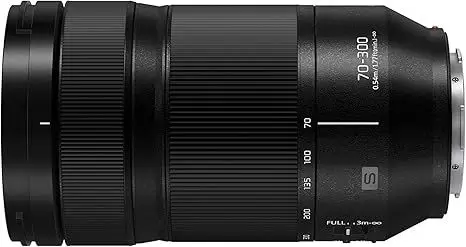
Telephoto lenses bring distant subjects closer, with narrow fields of view.
Uses:
-
Wildlife photography to capture animals without disturbance.
-
Sports photography for action shots from afar.
-
Portraits for tight framing and compressed perspective.
Characteristics:
-
Shallow depth of field for subject isolation.
-
Larger, heavier lenses requiring stabilization.
Specialty Lenses
Macro Lenses
Designed for extreme close-ups, macro lenses capture fine detail of small subjects like insects and flowers. They offer 1:1 or greater magnification.
Key feature: Close focusing distance and sharpness.
Fisheye Lenses
Ultra-wide-angle lenses with a 180-degree field of view, creating dramatic distortion and circular images.
Uses: Creative photography, action sports, architecture.
Tilt-Shift Lenses
Allow adjustment of the lens plane for perspective control and selective focus, often used in architectural photography.
Aperture and Its Impact on Photography
The aperture affects exposure, depth of field, and bokeh quality.
-
Wide apertures (f/1.2 - f/2.8): Ideal for portraits, low light, and creative focus effects.
-
Narrow apertures (f/8 - f/22): Used in landscapes and macro for greater depth of field.
Image Stabilization: Why It Matters
Image stabilization compensates for small hand movements, enabling sharper handheld shots at slower shutter speeds.
-
Optical IS: Built into the lens.
-
In-body IS: Camera sensor stabilization.
-
Combined systems provide enhanced results.
Choosing the Right Lens for Your Camera
When selecting a lens, consider:
-
Camera mount compatibility.
-
Intended use and preferred focal lengths.
-
Maximum aperture needs.
-
Budget constraints.
Recommended Lenses by Photography Genre
| Genre | Recommended Lens Type | Example Focal Lengths | Notes |
|---|---|---|---|
| Portrait | Prime, Telephoto | 50mm, 85mm, 135mm | Wide aperture for background blur |
| Landscape | Wide-angle, Standard Zoom | 16-35mm, 24-70mm | Sharpness and wide field of view |
| Wildlife | Telephoto Zoom | 100-400mm, 150-600mm | Long reach and fast autofocus |
| Macro | Macro | 90mm, 100mm, 105mm | Close focusing, high magnification |
| Street | Prime, Standard Zoom | 35mm, 50mm, 24-70mm | Compact, versatile focal lengths |
| Sports | Telephoto Zoom | 70-200mm, 100-400mm | Fast autofocus and stabilization |
Lens Care and Maintenance Tips
-
Keep lenses clean with microfiber cloths and proper cleaning solutions.
-
Use lens caps and cases to protect from dust and scratches.
-
Avoid touching glass elements.
-
Store lenses in a dry, cool place to prevent fungus.
Understanding Lens Compatibility and Mounts
Each camera brand has specific mounts (Canon EF, Nikon F, Sony E). Ensure lens compatibility before purchase.
FAQs About Camera Lenses
Q: What’s better, prime or zoom lenses?
A: Prime lenses offer superior image quality and wider apertures; zoom lenses provide versatility.
Q: Can I use full-frame lenses on crop sensor cameras?
A: Yes, but the effective focal length changes due to crop factor.
Q: What is the best lens for beginners?
A: A 50mm f/1.8 prime lens is affordable, versatile, and sharp.
Conclusion: Mastering Your Photography Through Lens Choices
Mastering different lens types and their uses opens new creative possibilities. By understanding focal length, aperture, and specialty lenses, photographers can better capture their vision and improve image quality.
Explore and experiment with various lenses to find what fits your style and elevates your photography to new heights.