The Complete Guide to Buying Your First DSLR Camera

- 1. Understanding DSLR Basics
- What is a DSLR?
- Advantages of a DSLR:
- Disadvantages of a DSLR:
- 2. Key Features to Consider
- a) Sensor Size
- b) Megapixels (MP)
- c) Autofocus (AF) System
- d) ISO Range
- e) Video Capabilities
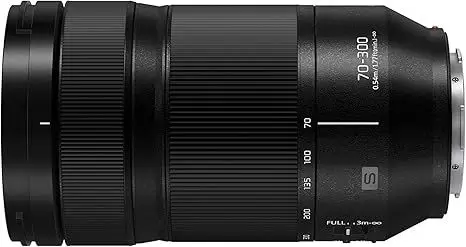
- f) Lens Compatibility
- 3. Best Entry-Level DSLRs (2024)
- 4. Essential Accessories
- Must-Have Gear:
- Recommended Upgrades:
- 5. DSLR vs. Mirrorless: Which is Right for You?
- 6. Budgeting & Where to Buy
- Budget Ranges:
- Where to buy?
- Final Tips Before Buying
- Conclusion
Buying your first DSLR (Digital Single-Lens Reflex) camera is an exciting step into the world of professional photography. Whether you're an aspiring photographer, a travel enthusiast, or a hobbyist looking to upgrade from a smartphone or point-and-shoot, a DSLR offers superior image quality, manual controls, and interchangeable lenses.
However, choosing the right DSLR can be overwhelming due to the variety of brands, models, and technical specifications. This guide will walk you through everything you need to know before making your purchase, including:
-
Understanding DSLR Basics
-
Key Features to Consider
-
Best Entry-Level DSLRs
-
Essential Accessories
-
DSLR vs. Mirrorless: Which is Right for You?
-
Budgeting & Where to Buy
1. Understanding DSLR Basics
What is a DSLR?
A DSLR (Digital Single-Lens Reflex) camera uses a mirror mechanism to reflect light from the lens into an optical viewfinder. When you press the shutter button, the mirror flips up, allowing light to hit the image sensor and capture the photo.
Advantages of a DSLR:
✔ Superior Image Quality – Larger sensors than smartphones and compact cameras.
✔ Interchangeable Lenses – Swap lenses for different photography styles (portrait, landscape, macro, etc.).
✔ Manual Controls – Adjust shutter speed, aperture, and ISO for creative freedom.
✔ Optical Viewfinder – See the scene directly through the lens.
✔ Long Battery Life – Better than most mirrorless cameras.
Disadvantages of a DSLR:
✖ Bulky & Heavy – Not as portable as mirrorless or compact cameras.
✖ Complex for Beginners – Steeper learning curve than point-and-shoot cameras.
✖ Noisy Mechanism – The mirror movement makes a "click" sound.
2. Key Features to Consider
a) Sensor Size
-
Full-Frame (35mm): Best for professionals (higher resolution, better low-light performance).
-
APS-C (Crop Sensor): Most common in entry-level DSLRs (smaller, lighter, more affordable).
b) Megapixels (MP)
-
12-24MP: Great for beginners (good for prints up to A3 size).
-
24+ MP: Better for large prints and cropping flexibility.
c) Autofocus (AF) System
-
Entry-level: 9-11 AF points (good for basic photography).
-
Mid-range/Pro: 45+ AF points (better for sports/wildlife).
d) ISO Range
-
Low-light performance: Look for a camera with ISO 100-6400+ (higher ISO = better in dim light, but may introduce noise).
e) Video Capabilities
-
1080p Full HD: Standard for most DSLRs.
-
4K UHD: Found in newer models (great for videographers).
f) Lens Compatibility
-
Check the lens mount (Canon EF/EF-S, Nikon F-mount, etc.).
-
Kit lenses (18-55mm) are good for starters, but investing in prime lenses (50mm f/1.8) improves quality.
3. Best Entry-Level DSLRs (2024)
| Model | Sensor | Megapixels | AF Points | ISO Range | Price (USD) |
|---|---|---|---|---|---|
| Canon EOS Rebel T7 / 2000D | APS-C | 24.1MP | 9 | 100-6400 | 400−500 |
| Nikon D3500 | APS-C | 24.2MP | 11 | 100-25600 | 450−550 |
| Canon EOS Rebel SL3 / 250D | APS-C | 24.1MP | 9 | 100-25600 | 600−700 |
| Nikon D5600 | APS-C | 24.2MP | 39 | 100-25600 | 700−800 |
Best Budget Pick: Nikon D3500 (great for beginners).
Best for Video: Canon EOS Rebel SL3 (4K video, flip-out touchscreen).
4. Essential Accessories
Must-Have Gear:
✔ Extra Battery – DSLRs drain power quickly.
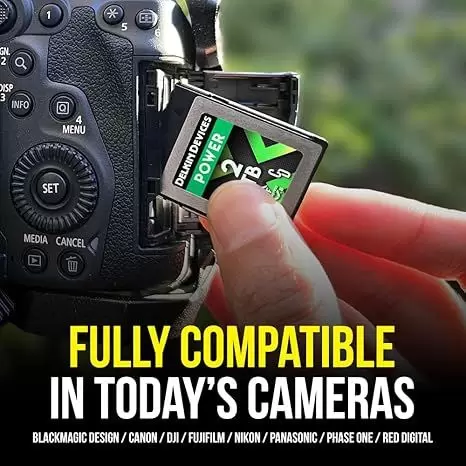
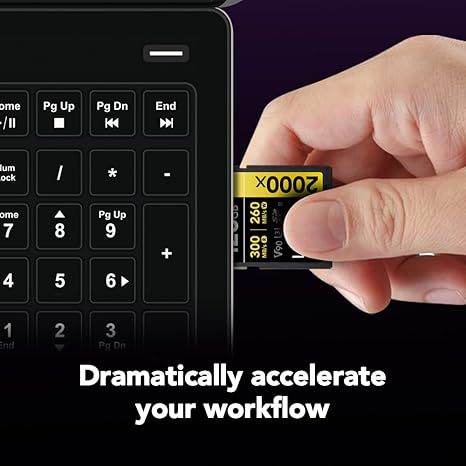
✔ Memory Cards (Class 10 UHS-I, 64GB+) – For storing RAW/JPEG files.
✔ Tripod – Essential for long exposures and stable shots.
✔ Camera Bag – Protects your gear while traveling.
✔ Lens Filters (UV/Polarizer) – Reduces glare and protects lenses.
Recommended Upgrades:
✔ 50mm f/1.8 Lens – Great for portraits and low light.
✔ External Flash – Better than built-in flash.
✔ Remote Shutter Release – For long exposures.
5. DSLR vs. Mirrorless: Which is Right for You?
| Feature | DSLR | Mirrorless |
|---|---|---|
| Size & Weight | Bulky | Compact |
| Viewfinder | Optical (OVF) | Electronic (EVF) |
| Battery Life | Longer | Shorter |
| Lens Selection | More options | Growing but limited |
| Autofocus Speed | Good | Faster (in newer models) |
Choose a DSLR if:
-
You want a durable, affordable camera with great battery life.
-
You prefer an optical viewfinder.
-
You want access to a wide range of lenses.
Choose Mirrorless if:
-
You want a lightweight, travel-friendly camera.
-
You need fast autofocus for video.
6. Budgeting & Where to Buy
Budget Ranges:
-
400−600: Entry-level (Nikon D3500, Canon T7).
-
700−1,200: Mid-range (Canon 90D, Nikon D7500).
-
$1,500+: Professional (Canon 5D Mark IV, Nikon D850).
Where to buy?
-
Amazon / B&H Photo – Reliable, good return policies.
-
Local Camera Stores – Hands-on testing before buying.
-
Used Markets (KEH, MPB) – Great for discounted gear.
Final Tips Before Buying
✅ Try Before You Buy – Test ergonomics and menu navigation.
✅ Start with a Kit Lens – Upgrade later as you learn.
✅ Check for Bundles – Some kits include bags, memory cards, and tripods.
Conclusion
A DSLR is a fantastic investment for anyone serious about photography. By considering sensor size, autofocus, lenses, and budget, you can find the perfect first DSLR.
Ready to start shooting? Pick a camera, learn manual mode, and unleash your creativity! 📸
Which DSLR are you considering? Let us know in the comments!